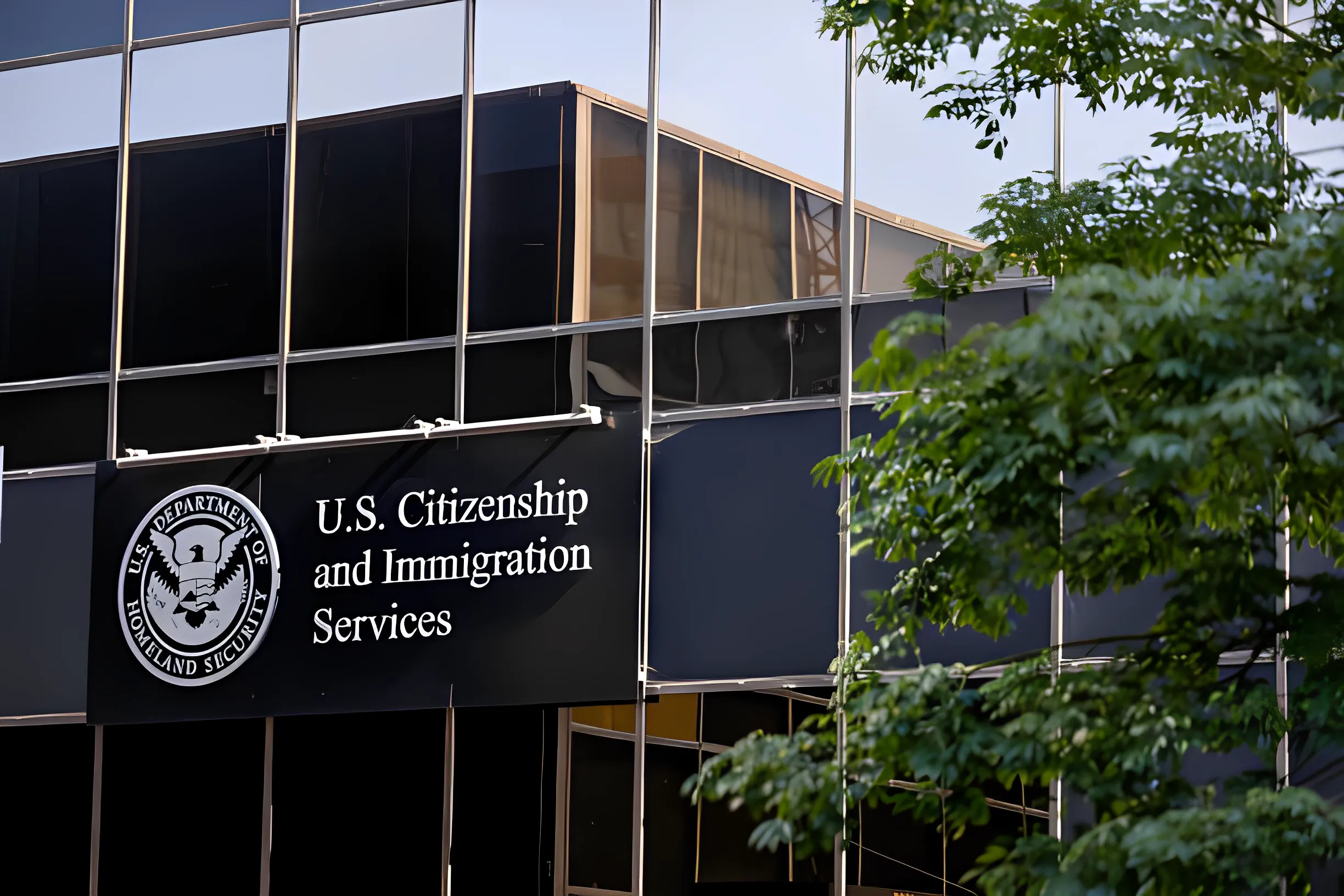

USCIS
What the New USCIS Processing Priorities Mean for Green Card Applicants
By Andressa Meerbott1 min readUpdated May 4, 2026
Green card timelines don’t just run long. They shift, sometimes without warning. One month, a case moves forward. The next, it stalls while others jump ahead. That’s not random. It’s the result of how USCIS prioritizes its workload.
Inf 2025, USCIS had more than 11 million pending cases in its backlog, forcing the agency to make decisions about which applications move first, and which wait. Instead of a simple first-in, first-out system, USCIS processing now depends heavily on category, urgency, and internal priorities.
For green card applicants in south Florida, that shift can directly impact how long a case takes and how predictable the process feels. Understanding how USCIS processing works today will change how you approach your case. In this article, we’ll break down:
- What USCIS processing priorities actually mean in practice
- Which green card categories are moving faster and which are slowing down
- How these changes affect families, workers, and humanitarian applicants
- What you can do if your case is delayed or deprioritized
Understanding USCIS Processing Changes
USCIS is no longer processing every case in strict chronological order. Instead, the agency now uses a priority-based approach to manage its workload. That means some applications are reviewed faster based on category, urgency, or policy focus—while others may sit longer, even if they were filed earlier.
This shift is tied directly to the size of the backlog and limited agency resources. With millions of cases pending, USCIS has leaned into triage.
Cases tied to immediate family members, humanitarian protection, or high-demand industries often move ahead. Other categories, especially those subject to visa caps, country limits, or visa restrictions, may experience slower movement, regardless of when they were submitted.
What “Priority Processing” or “Premium Processing” Actually Means
In practice, priority-based processing doesn’t mean your case is officially expedited. It means USCIS is allocating time and staff toward certain case types first. That can create uneven timelines across applicants who filed at similar times.
For green card applicants, this shows up in a few ways:
- Two similar cases may move at very different speeds
- Requests for Evidence (RFEs) may be issued faster in priority categories
- Some applications appear “stuck” while others continue moving forward
The key takeaway is simple: processing speed is no longer just about when you filed, but how your case fits into current USCIS priorities.
How USCIS Processing Priorities Affect Families
Family-based green card cases sit at the USCIS contact center of processing priorities, but that doesn’t mean all families move at the same speed. The service center system now favors certain relationships over others, which can create very different timelines depending on your category.
Immediate relatives of U.S. citizens (spouses, parents, and unmarried children under 21) are often processed more quickly because they are not subject to annual visa caps.
In contrast, family preference categories, such as siblings or adult children, remain tied to long visa backlogs. Even with the new priorities, those cases can still take years to move forward.
Who Moves Faster and Who Waits
The difference comes down to how USCIS allocates resources. Some family cases are treated as more time-sensitive, especially when they involve separation, caregiving, or minor children. Others are limited by the structure of immigration law itself.
In family preference cases, timing is often driven by visa availability. USCIS tends to move petitions forward when the Visa Bulletin shows that a visa is available or likely to become available soon. This is because beneficiaries can only take the next steps—whether through adjustment of status or consular processing—once a visa is available and the petition has been approved.
In practical terms:
- Spouses of U.S. citizens may see faster movement, especially in adjustment of status cases
- Parents of U.S. citizens often benefit from more consistent processing timelines
- Siblings and adult children of U.S. citizens remain subject to long delays tied to visa availability
For families, this part of citizenship and immigration services creates a frustrating reality. Two immigrant petitions filed at the same time can move at completely different speeds. The most important step is knowing where your case falls and tracking your priority date closely, especially if your category is tied to the Visa Bulletin.
Processing Times Impact on Employment-Based Immigrants
Employment-based green card cases follow a different set of pressures. While USCIS has signaled a focus on supporting economic growth, that doesn’t translate into faster timelines across the board.
In many cases, processing still depends on visa availability, employer sponsorship steps, and country-specific limits.
For applicants, this creates a split reality. Some high-demand roles, especially in healthcare, engineering, and STEM, may see more consistent movement. Others remain slowed by backlogs that exist outside of USCIS, particularly at the Department of Labor and in the visa allocation system.
Where Delays Still Happen
Even with updated USCIS processing priorities, several bottlenecks continue to affect employment-based applicants.
- PERM labor certifications often take many months before a case even reaches USCIS
- Visa caps and country limits continue to slow EB-2 and EB-3 applicants from countries like India and China
- Case transfers or job changes can trigger additional review and delay timelines
The result is that faster internal USCIS processing doesn’t always mean faster overall outcomes. A case can move quickly at one stage and stall at another.
For workers and employers, timing matters. Filing early, keeping documentation consistent, and understanding how each stage connects can help avoid avoidable delays. But even strong cases face long waits when visa availability or external processing steps fall outside USCIS control.
Humanitarian Cases and USCIS Processing
Humanitarian cases are one of the areas where USCIS has made the most visible shifts in processing priorities. These applications often involve safety concerns, ongoing harm, or urgent need for protection, so they are more likely to be reviewed earlier in the queue.
That said, “priority” doesn’t mean fast across the board. Many of these programs still face structural limits, which means applicants can see movement in some parts of the process while waiting in others.
Where Priority Makes a Difference
For certain humanitarian cases, USCIS has focused on early-stage decisions that unlock basic protections.
- VAWA self-petitions may move more steadily, especially when supported by strong evidence
- U visa applicants may receive bona fide determinations sooner, which can lead to work authorization
- T visa cases are often reviewed with urgency due to the nature of trafficking claims
These changes matter because they affect access to stability (work permits, deferred action, and protection from removal) while the full case is still pending. At the same time, long-term wait times have not disappeared. U visas, for example, remain capped annually, which means full approval can still take years even if initial steps move faster. T visas are also subject to an annual cap, which can similarly limit how quickly cases reach final approval
For applicants, the key is understanding which parts of the process are speeding up and which are not.
Considerations for Dreamers and Students
Processing changes don’t just affect green card applicants. They also impact people relying on temporary protections or status, including DACA recipients and international students.
For these groups, timing matters more than anything. Delays or priority shifts can affect work authorization, school enrollment, and long-term planning, even if a green card is still a future step.
What to Watch Right Now
For Dreamers, DACA renewals have generally remained more consistent than other case types. But that stability depends on filing early and avoiding gaps. Delays can still happen, especially during high-volume periods or policy shifts.
For students, processing timelines can fluctuate based on the time of year and the type of request. Change-of-status applications and work authorization requests may move slower during peak filing seasons, particularly late summer and early fall.
In both cases, the margin for error is small. Filing late, missing documents, or failing to track your case can create gaps in status that are difficult to fix. Staying ahead of deadlines and treating timing as a priority matters just as much as the strength of the application itself.
What Individuals in Removal Proceedings Should Know
When a green card case overlaps with removal proceedings, USCIS processing priorities have a direct impact on how quickly relief is reviewed and whether it helps in time. These cases don’t move in isolation. Timing between the immigration court and USCIS becomes very important.
In some situations, a pending application with USCIS can support a request to pause or continue court proceedings. In others, delays can work against you if the court moves faster than the underlying application.
How Timing Affects Your Case
Processing priorities can influence when certain forms of relief are reviewed, but they don’t always align with court schedules.
- Applications tied to strong family relationships or hardship may receive earlier attention
- Some relief options, like cancellation of removal, depend on court timelines rather than USCIS speed
- Delays in background checks or document review can hold up otherwise viable cases
Because of this, coordination matters. Filing at the right time, responding quickly to request faster processing, and keeping documentation current can affect how your case is handled in court.
For individuals in proceedings, this is not a wait-and-see situation. Decisions often depend on how well your case is prepared and how clearly it is presented within the court’s timeline, not just USCIS processing speed.
The First Step Moving Through the New USCIS Processing Landscape
USCIS processing is not static. Priorities shift throughout the year based on workload, policy changes, and available resources. That means applicants who stay passive often fall behind, while those who track and respond to changes tend to move more smoothly through the system.
The goal is simple: stay visible in the process. That means knowing where your case stands, responding quickly to any updates, and adjusting expectations as timelines change.
How to Stay Ahead of Delays
There are a few practical steps that make a real difference when processing becomes uneven.
- Check your case status regularly through your USCIS online account
- Respond quickly to Requests for Evidence (RFEs) or notices
- Keep copies of all filings and supporting documents organized
- Monitor processing times and Visa Bulletin updates if your case is category-dependent
None of these steps guarantee faster approval, but they reduce the risk of avoidable delays. In a system where timing is inconsistent, small gaps (missed notices, late responses, incomplete records) slow a case down even further.
The applicants who move through the system most smoothly are not always the ones with the simplest cases. They are the ones who stay organized, track their case closely, and act quickly when something changes.
When to Speak With an Immigration Attorney
USCIS processing changes have made timelines less predictable and more dependent on how a case is categorized and reviewed. For some applicants, things move faster. For others, cases stall without a clear reason. When that happens, waiting without a plan can cost time.
Legal guidance becomes especially important when delays go beyond normal processing times, when Requests for Evidence repeat, or when a case involves multiple factors like family petitions, employment changes, or prior immigration history. These are the situations where small mistakes or missed opportunities can create longer setbacks.
At 360 Immigration Law, our experienced immigration lawyers focus on identifying where a case stands within current USCIS processing priorities and building a strategy around it. That may mean strengthening documentation, responding to delays more effectively, or taking action when a case has gone quiet.
The goal is simple: move your case forward with clarity and fewer surprises. Reach out today!
Frequently Asked Questions About USCIS Processing
What does USCIS processing mean?
USCIS processing refers to how the agency reviews and decides immigration applications, including green card petitions. Processing times vary based on the type of case, backlog levels, and current agency priorities.
Why is my green card application taking so long?
Delays in USCIS processing can happen due to backlogs, visa limits, missing documents, or additional background checks. Processing priorities may also shift certain cases ahead of others, even if they were filed later.
Are some green card applications processed faster than others?
Yes. Immediate relatives of U.S. citizens and certain humanitarian cases are often processed more quickly. Other categories, especially those subject to visa caps or country limits, may take significantly longer.
What are USCIS processing priorities for case status?
USCIS processing priorities refer to how the agency decides which cases to review first. These priorities often focus on family reunification, humanitarian protection, and economic needs, which can affect timelines across different application types.
Can I speed up my USCIS processing time?
In most cases, you cannot directly speed up processing. However, you can reduce delays by submitting complete applications, responding quickly to requests, and monitoring your case status regularly. Some cases may qualify for expedited processing under specific conditions.
What should I do if my case is outside normal processing time?
If your case is delayed beyond posted processing times, you can submit a service request with USCIS. If delays are significant or unexplained, consulting an immigration attorney may help identify next steps or legal options, such as a mandamus complaint.