
Immigration
What to Do if Your Immigration Application is Denied in Florida
By Andressa Meerbott9 min read
Summary: If your immigration application was denied in Florida, you may still have legal options available, including appeals, motions to reopen, or re-filing your application. Most immigration denials come with strict deadlines, often within 30 days, so quick action matters. An immigration lawyer can help identify why the denial happened and what path gives you the best chance moving forward.
Key Takeaways
- Many immigration denials can still be challenged or corrected.
- Appeals and motions often have 30-day filing deadlines.
- Common denial reasons include missing evidence, paperwork mistakes, or eligibility issues.
- Re-filing may be possible if the denial was without prejudice.
- Immigration lawyers help strengthen appeals, motions, and new filings.
It’s difficult to convey the level of frustration some immigration applicants go through when they’re suddenly denied, especially after months or years of waiting. An immigration application denial can understandably cause shock and confusion for individuals and families alike, especially without knowing what to do next.
If your immigration application was denied in Florida, it can directly affect your ability to stay in the United States, work, or reunite with family. Fortunately, many immigrants and families face similar challenges, and legal options may still be available. According to the American Immigration Council, approximately 86,000 applications were denied in 2024.
USCIS, ICE, and immigration courts process and deny thousands of immigration applications each year across Florida, particularly in high-volume jurisdictions such as Miami-Dade, Broward, and Orlando.
Understanding USCIS deadlines, immigration paperwork requirements, and possible next steps can help immigrants protect their status and proceed more confidently through the immigration process.
In this guide, we will walk you through:
- Why immigration applications get denied in Florida, and common triggers.
- Immediate steps to take after receiving a denial notice.
- Your legal options: appeal, motion to reopen, or refiling.
- What to do before your next filing or hearing to be fully prepared.
- How a South Florida immigration lawyer can help.
- Possible outcomes and what they mean for your future.
Why an Immigration Application Gets Denied in Florida
Many denied immigration applications involve adjustment of status denials, family-based petitions, work visa applications, or green card application issues reviewed by USCIS.
Immigration application denials occur for many reasons, including insufficient supporting evidence, failure to establish eligibility, criminal history concerns, health-related inadmissibility grounds, public charge issues, or simple filing errors.
Florida’s busy immigration courts and USCIS field offices see high volumes of cases involving adjustment of status, family petitions, asylum, and employment-based applications.
Missing immigration documents, incorrect forms, unpaid USCIS fees, or incomplete supporting evidence can also delay processing times or lead to a denied green card application. Even small mistakes during the filing process can create major setbacks during an immigrant’s immigration journey.
Understanding the specific reason listed in your denial notice (Form I-797 or court order) is the critical first step. Each denial notice explains the legal basis and usually includes important deadlines for response.
Identifying the root cause early allows you to address weaknesses and build a stronger case moving forward.
What to Do After a USCIS Application Denial in Florida
As soon as you receive a denial, read the entire notice carefully and note all deadlines. Most appeals or motions must be filed within 30 days. Gather all of the original documents, the denial letter, and your prior submission.
Review every form, notice, and message sent by USCIS carefully. Applicants should also visit the official USCIS website to verify filing instructions, eligibility requirements, updated processing timelines, and mailing addresses before submitting additional immigration paperwork.
Preserve your lawful status where possible and avoid any actions that could trigger additional violations. If removal proceedings have begun, speak with an experienced deportation defense attorney to evaluate your case, discuss your legal options, and develop a strategy.
Quick, informed action in the initial days after denial will protect your rights and preserve important legal options moving forward.
Your Options After a Denied Green Card Application or Immigration Application
Depending on the type of immigration case denial, applicants may be eligible to file an immigration appeal, motion to reopen, or motion to reconsider through the USCIS appeal process. You generally have three primary paths to choose from after an immigration application denial.
1. Appeal the Decision
File Form I-290B (or appeal to the Board of Immigration Appeals for court cases) within 30 days. This asks a higher authority to review whether the original decision was legally correct.
2. Motion to Reopen a Green Card Application or Immigration Case
Submit new facts and evidence (Motion to Reopen) or argue legal errors (Motion to Reconsider). These must also meet strict 30-day deadlines in most cases.
3. How to Refile Immigration Paperwork After a Denial
If the denial was “without prejudice,” you may correct issues and submit a fresh application. Re-filing is often the most effective option when the denial resulted from correctable filing issues or missing evidence.
In some cases, you may also explore prosecutorial discretion, deferred action, or other forms of relief. The best strategy depends on your specific case, immigration history, and current status.
Re-filing often requires updated immigration documents, corrected forms, and additional supporting evidence. In some cases, applicants may need to pay USCIS fees again or submit newly requested records related to marriage, employment, travel history, or permanent residency eligibility.
Preparing Immigration Documents Before You Reapply
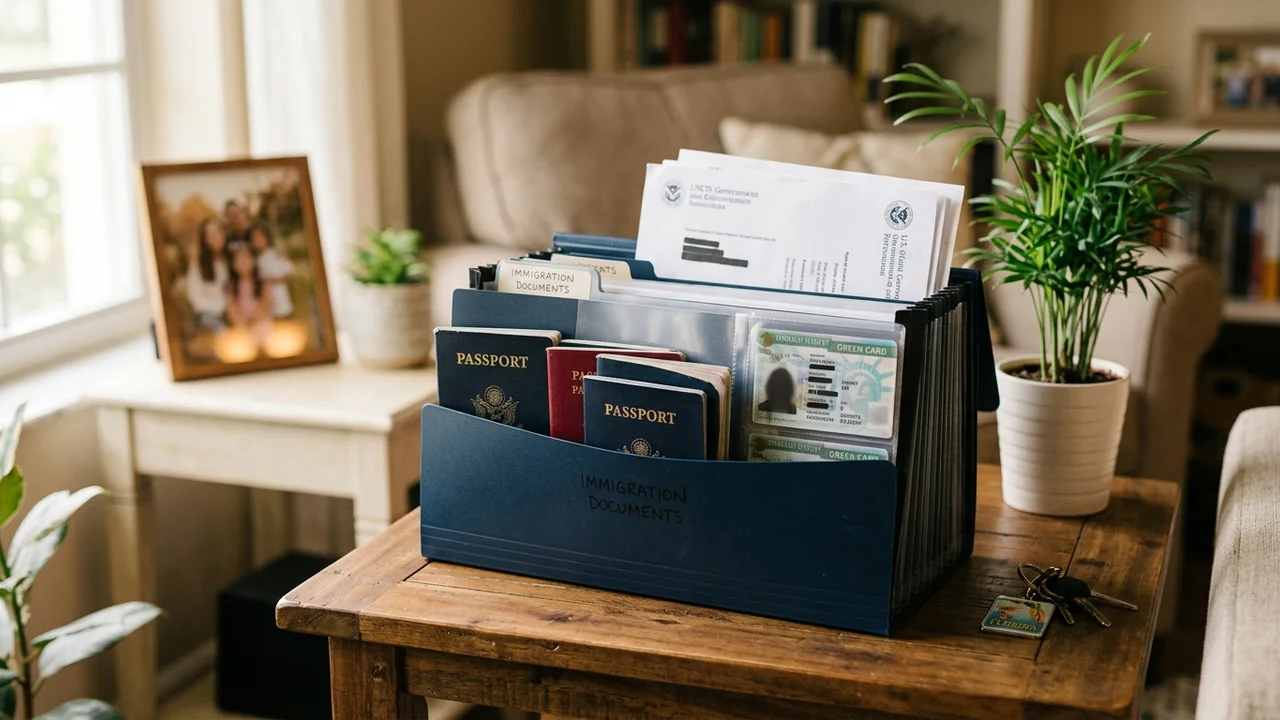
Before you file an appeal, motion, or new immigration application, collect stronger evidence if available, address the denial’s stated reasons, and organize your records. Update any changed circumstances (marriage, job offer, new qualifying relative, etc.).
Keeping immigration paperwork organized in a step-by-step format can help simplify the review process. Many applicants create digital and physical copies of immigration documents, receipts, petitions, work permit records, and prior USCIS notices to improve accuracy before filing again.
Work with a qualified immigration attorney to review your entire file and avoid repeating past mistakes. In Florida, local knowledge of USCIS field offices (such as Oakland Park, West Palm Beach, Tampa, Orlando, Hialeah and Miami) and immigration judges can make a significant difference. Thorough preparation is your best defense against repeated denials.
Important Documents to Review Before Refiling
- Prior USCIS notices
- Denial letters
- Immigration forms and receipts
- Marriage or employment records
- Travel documentation
- Work permit records
How a South Florida Immigration Lawyer Can Help
An experienced immigration attorney in Florida can help applicants respond to a denied immigration application, prepare appeals, address USCIS denial notices, and represent clients during immigration court proceedings. Facing a denied immigration application alone is risky. Complex federal immigration law, tight deadlines, and high stakes require professional guidance. An experienced immigration lawyer at 360 Immigration Law Group can:
- Analyze the denial notice and identify the strongest path (appeal, motion, or refile).
- Prepare and file all necessary forms and supporting evidence.
- Represent you in immigration court or before USCIS.
- Explore alternative relief options available in Florida.
Our team provides dedicated immigration services to clients throughout South Florida and abroad.
How Denials Affect Green Card Processing Times and Permanent Resident Status
A successful appeal or motion can reverse the denial and grant your immigration application. Re-filing with stronger documentation often leads to approval. In some cases, you may transition to another visa category or pursue relief in removal proceedings.
While not every denial can be overturned, acting promptly has a much higher chance of preserving your ability to remain in the U.S. and eventually achieve permanent resident status or other favorable outcomes.
Delays caused by a denied immigration application can affect green card processing times, work permit renewals, travel authorization requests, and future citizenship or naturalization applications. Some applicants may remain eligible for benefits while their case is under review, while others may need to take immediate action to avoid losing lawful status.
Frequently Asked Questions (FAQs)
What is a Motion to Reopen an Immigration Case?
A motion to reopen asks USCIS or the immigration court to review new evidence or facts that were not previously available when the original immigration application was denied.
What Is a Motion to Reconsider an Immigration Case?
A motion to reconsider is a legal request asking USCIS or the immigration court to review a prior immigration decision because it may have incorrectly applied the law or misunderstood the facts already in the record. Unlike a motion to reopen, a motion to reconsider does not introduce new evidence.
How long do I have to respond to a denied immigration application?
Most appeals and motions must be filed within 30 days of the denial notice date. Missing this deadline usually means losing your right to challenge the decision.
However, certain immigration cases may involve shorter timelines or additional filing requirements depending on the type of immigration application involved. Reviewing the denial notice immediately and speaking with an immigration attorney as soon as possible can help you avoid missing critical deadlines.
Can I Appeal a USCIS Immigration Application Denial?
Yes. Certain immigration application denials may be appealed through the USCIS appeal process or the Board of Immigration Appeals, depending on the type of case and the reason for the denial.
Can I Refile My Green Card Application After a Denial?
Yes, in many cases. Re-filing with corrected information, stronger immigration documents, and additional supporting evidence is common and often successful.
Whether you can reapply depends on the reason for the denial. Some green card application denials involve missing immigration paperwork or incomplete evidence, while others may involve more serious eligibility concerns that require legal guidance before filing again.
Will a denial affect my future applications?
It can, especially if the denial cites misrepresentation, fraud, or unlawful presence issues. If a denial causes you to fall out of lawful immigration status, it may have consequences for future visa, green card, or other immigration applications, depending on your circumstances. However, many denials are issued “without prejudice,” meaning they do not automatically prevent future filings.
Future USCIS officers will still be able to review your prior immigration application history. Because of this, it is important to address the original denial clearly and avoid repeating the same mistakes in future filings.
Should I hire an immigration lawyer after a denial?
Yes, hiring an immigration lawyer after a denial can significantly improve your chances of success. Immigration law involves strict deadlines, detailed immigration paperwork, and complex procedural requirements that can quickly become overwhelming.
An attorney can review your denial notice, identify weaknesses in your original filing, and help determine whether an appeal, motion to reopen, or new green card application makes the most sense for your situation.
Can I stay in the U.S. while appealing a denial?
It depends on your current immigration status and the type of application that was denied. Some individuals may remain lawfully present during the appeals process, while others could face removal proceedings or status violations.
Because every case is different, it is important not to assume you are protected simply because an appeal has been filed. An immigration attorney can help determine whether you still have lawful status while your case is pending.
How Much Do USCIS Fees Cost After an Immigration Application Denial?
USCIS fees after a denial depend on the action you take next. Filing Form I-290B for an appeal or motion currently involves a filing fee, and resubmitting a green card application may require paying full USCIS fees again.
These filing costs are generally nonrefundable, even if the application is denied a second time. Additional costs may include medical exams, document translations, attorney fees, or updated supporting immigration documents.
Ready to Respond to Your Denied Immigration Application?
If your immigration application has been denied in Florida, time is critical. Our experienced team at 360 Immigration Law Group can quickly evaluate your case and build the strongest possible response.
Contact our Florida immigration lawyers today for a free case evaluation and guidance on responding to your denied immigration application. Let our immigration lawyers help you understand your options and fight for the best possible outcome.